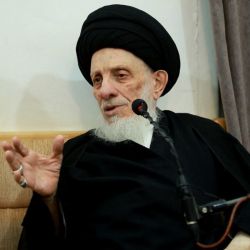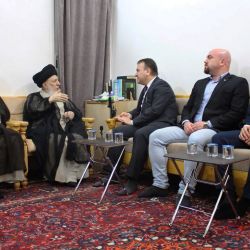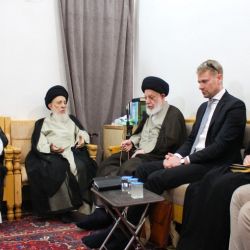
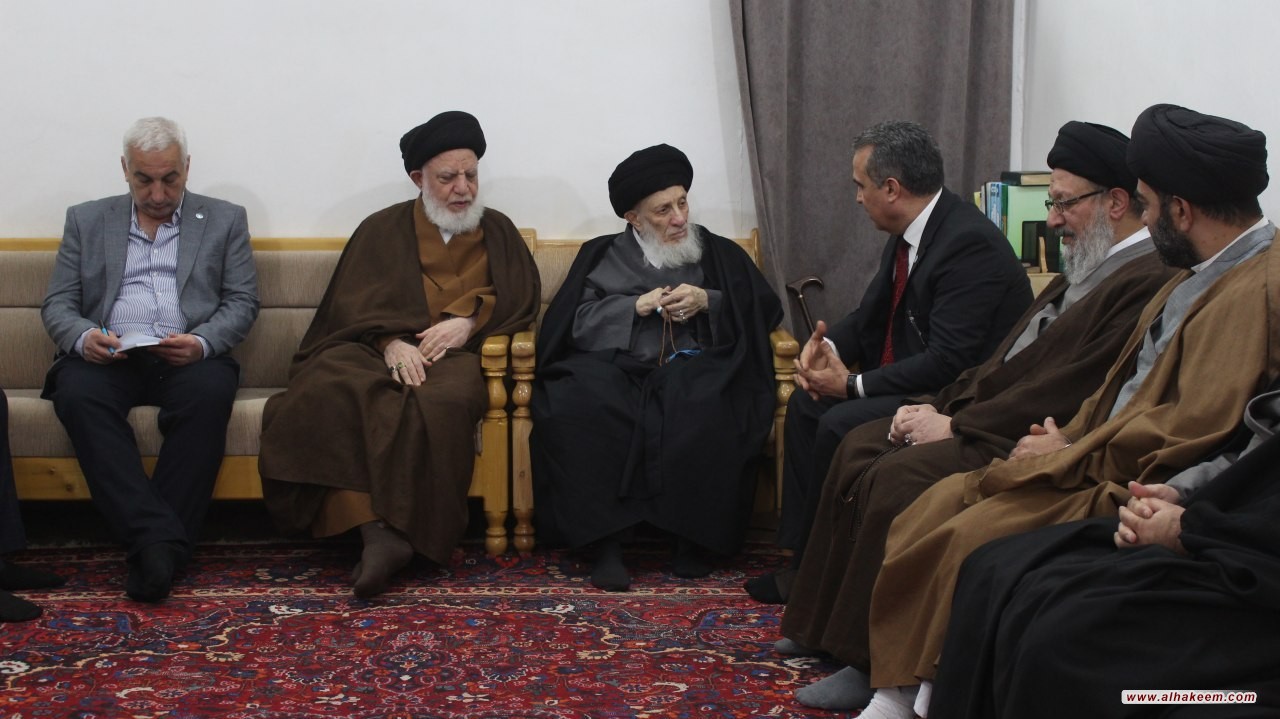
His Eminence Al-Sayyid Al-Hakeem meets with the Food and Agriculture Organization of the United Nations

His Eminence Al-Sayyid Al-Hakeem meets with the Food and Agriculture Organization of the United Nations
2020/02/19

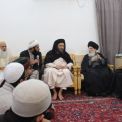
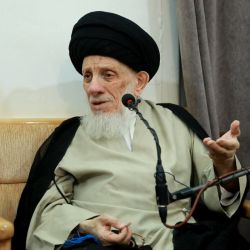
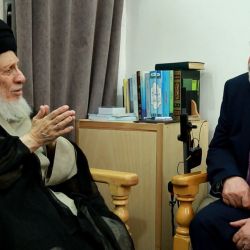
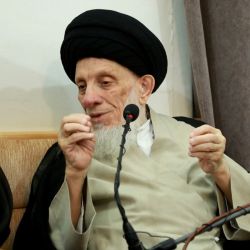
His Eminence Grand Ayatollah Sayyid Mohammed Saeed Al-Hakeem, on 15 February 2020, received representative of the Food and Agriculture Organization (FAO) of the UN in Iraq, Dr. Salah Al-Haaj Hasan and his team.

Dr. Salah Al-Haaj Hasan presented a report on the projects undertaken by FAO, consisting of ways in which agriculture can be improved in rural and semi-urban areas in Iraq, in order to ensure food provision for Iraq and a decent life for farmers.
Day Questions

If time is short and I know my clothing is najis, should I make the dress tahir and then make the prayer up afterwards or should I just ensure that I perform the prayers first so as to not make it qadha and then wash my clothes?

If the only clothing available is najis, offering the prayer in such clothing is valid in cases of cold weather or similar necessities. If it can be taken off, the prayer should be offered twice, once with it and once while naked, based on compulsory precaution. The mentioned necessity rarely occurs in our time since making use of a covering material during prayer is easily done. If not usual clothing, it can be anything like sheets, blankets or similar things as long as the private parts (as defined by the Sharia) are covered for the males and all parts of the body that must be covered for females are covered.

If somebody has missed fasts for years and missed prayers for years, does he have to make up the missed prayers and then the missed fasts?

One must make up the missed prayers. It is also obligatory to make up missed fasts. Making one of them up before the other is not obligatory.

Is belief in Imamate essential for salvation as some scholars in our community are spreading this ideology?

The belief in the imamate is completion of the faith and Islam. many narrations clearly stated that deeds will not be accepted without the belief in the imamate.