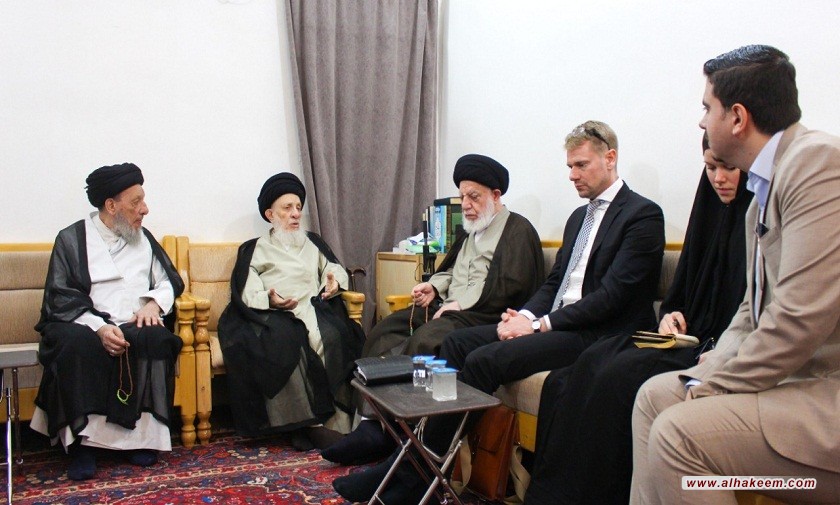
His Eminence, Grand Ayatollah al-Hakeem, receives the Swedish Ambassador to the OIC and Calls the International Community to Block the Sources of Terrorism and Extremism

His Eminence, Grand Ayatollah al-Hakeem, receives the Swedish Ambassador to the OIC and Calls the International Community to Block the Sources of Terrorism and Extremism
2019/04/27

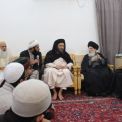
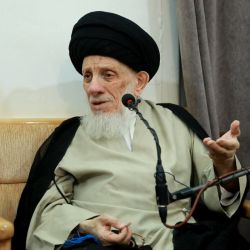
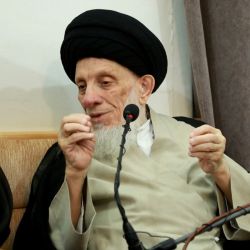
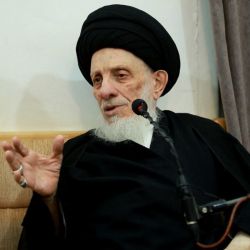
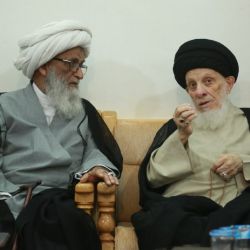
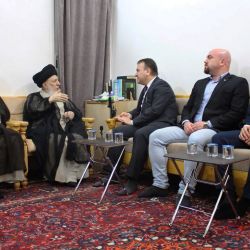
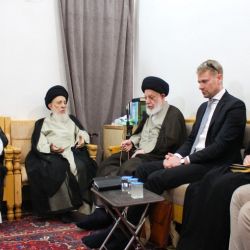
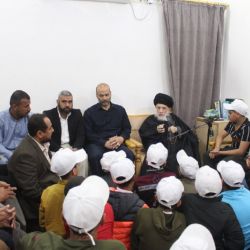
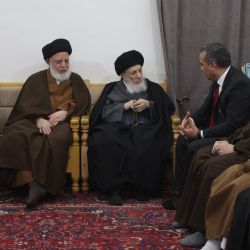
His Eminence Grand Ayatollah Sayyid Mohammed Saeed al-Hakeem received Mr. Joachim Bergstrom, the Swedish Ambassador to the Organization of Islamic Cooperation (OIC) on 27 April 2019.

During the meeting, His Eminence called the international community towards a serious attempt to blocking the sources of terrorism and extremism, in all its types and manners, and to eliminate this cancerous illness from its roots, and not to ignore it. It has created much misery and tragedy in different societies and is spreading its culture, as well as distorting the true image of Islam, which the Holy Quran and the Holy Infallibles (peace be upon them) deliver.

His Eminence indicated the importance of the international community giving due regard to noble ethical traits, which will lead to participating in forming good societies and families.

His Eminence also mentioned the role of Marji'iyya, which requires of its followers to follow the laws of the land, to be truthful, responsible, sincere and to abstain from creating hardships. The Marji'iyya emphasizes the peaceful coexistence and respect for others, whatever ethnicity or creed they may have.

Mr. Bergstrom thanked His Eminence, appreciated his warm welcome. He also expressed his appreciation of the role of Marji'iyya in bringing about peace and easing religious tension in the region.
Day Questions

If an item is subject to khums, can one use it before making the khums payment?

It is not permissible to use it before making the khums payment or getting permission to delay the payment from the Marji' or his authorized agent.

Is there a difference between an obligation that is a fareedha and one that is wajib?

From some narrations reported from the Imams (peace be upon them), we can understand that they used the term “fareedha” to refer to the obligations mentioned by Almighty Allah in the Holy Book, and the term "wajib" refers to all obligations, whether they are established in the Quran or from the teachings of the Prophet and the Imams (peace be upon them).

After doing tayammum instead of ghusl of janabah, I slept or urinated. Should I perform wudhu for prayers?

Tayammum instead of the ghusl of janabah compensates for the wudhu. If a minor occurrence, like sleeping or urinating, took place afterwards, and you can perform wudhu, then you must do so. If it is not possible, then you should perform the tayammum instead of wudhu for your prayers.